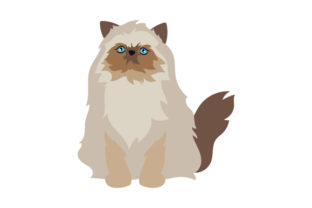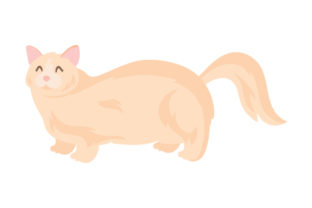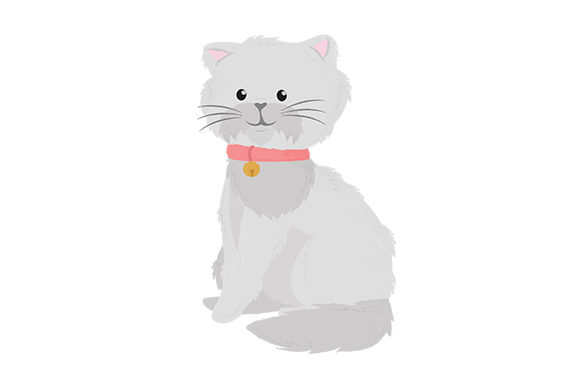
Persian Cat Embroidery Design
As an embroidery designer and product reviewer, I’ve evaluated countless machine embroidery designs. Persian Cat stands out for its elegant composition and strong visual appeal. This design feels like a natural fit for a wide range of projects, from custom apparel to handmade gifts. But like any embroidery file, it requires careful consideration before use.
The First Impression: A Graceful Feline in Thread
From the moment I opened the Persian Cat embroidery file, I was struck by its refined aesthetic. The design captures the regal posture of a cat with a balance of detail and simplicity. The lines are clean, the curves are smooth, and the overall layout is well-suited for embroidery. It’s not overly complex, which makes it versatile but also means it may lack some of the intricate depth found in more detailed designs.
The theme is classic—Persian cats are timeless, and this design leans into that elegance. It has a soft, almost whimsical feel that could work well in baby items, home decor, or personalized gifts. The layout suggests it would look best on a flat surface, such as a tote bag or pillow cover, rather than a curved or textured fabric.
Real-World Use: Where Persian Cat Shines
I tested Persian Cat on several fabrics, including cotton, linen, and a light-weight denim. On these materials, the design stitched smoothly, with clear satin stitch edges and even fill stitches. The stitch density is moderate, making it suitable for most standard hoop sizes. However, I noticed that on very thin or stretchy fabrics, the design can appear slightly distorted if not stabilized properly.
This embroidery file works well for custom apparel, especially sweatshirts and t-shirts. It adds a touch of sophistication without overwhelming the garment. For baby items, the design is gentle and appropriate, though I’d recommend using a soft stabilizer to prevent puckering on delicate fabrics.
On embroidered patches, Persian Cat holds up nicely. The details are visible, and the design scales well for small hoop sizes. It’s also a solid choice for holiday embroidery, such as Christmas stockings or festive pillows, where a classic, recognizable image is key.
Where to Be Cautious: Limitations and Considerations
While Persian Cat is a strong design, there are situations where it may not perform as well. On dark fabrics, the thread colors need to contrast sufficiently to ensure visibility. If you’re using a light-colored thread on a black background, the design might look washed out or hard to see.
For small hoop sizes, the design may require splitting into sections, which can be time-consuming. If you're working on a cap or a hat, the curvature of the fabric can cause the design to shift slightly during stitching. This is common with many embroidery files, but it’s something to keep in mind when planning your project.
Additionally, the design may not be ideal for products that undergo frequent washing. The satin stitches hold up well, but repeated laundering can cause the threads to wear down over time. For commercial use, make sure to advise customers on proper care instructions.
Impact on Visual Appeal and Customer Perception
Persian Cat adds a sense of quality to any finished product. When stitched onto a tote bag or a sweatshirt, it elevates the item from generic to personalized. Customers often respond positively to recognizable, well-designed images, and this embroidery file delivers that appeal without being too busy or complicated.
For small business owners and Etsy sellers, this design can be a valuable addition to your product line. It’s versatile enough to fit into multiple categories, from home decor to personalized gifts. The design also supports brand consistency, especially if you’re creating a cohesive collection of embroidered items.
When used in printable mockups or digital product previews, Persian Cat maintains its clarity and charm. It’s a good example of how a well-crafted embroidery file can enhance the presentation of your work, whether you’re selling physical products or digital design assets.
Practical Designer Notes: Tips for Success
Before using Persian Cat in a real project, always test it on scrap fabric. This helps you understand how the design behaves on different materials and allows you to adjust your settings accordingly. Check the thread color contrast, especially if you plan to use it on dark or light backgrounds.
Review the stitch density to ensure it matches your project’s needs. If the design is too dense, it may cause fabric distortion or pilling. Confirm the hoop size required for your machine and inspect the small details to make sure they’re clear and well-defined.
Use the right stabilizer for your fabric type. For stretchy or thin materials, a cutaway or water-soluble stabilizer can help maintain the design’s shape. Also, check whether the design is suitable for both personal and commercial use, and confirm any licensing requirements before selling finished items or digital products.
Final Thoughts: A Versatile and Elegant Choice
Persian Cat is a reliable embroidery design that offers both beauty and practicality. It’s well-suited for a variety of projects, from custom apparel to handmade gifts, and it performs well in most standard embroidery scenarios. While it has some limitations, particularly on certain fabrics or in tight hoop sizes, it remains a strong option for designers and crafters looking for a classic, elegant feline design.