Himalayan Cat Embroidery Design
First Impressions of Himalayan Cat
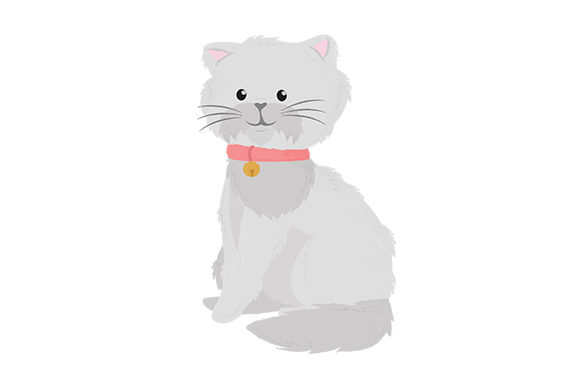
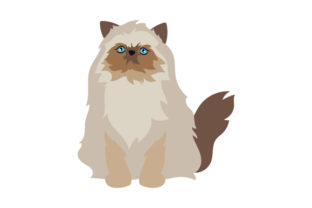
The Himalayan Cat design immediately catches the eye with its elegant, expressive features. The shape and layout feel balanced, making it suitable for a wide range of embroidery projects. The level of detail is impressive, especially in areas like the fur texture and facial expressions, which add a sense of realism and charm.
This design has a soft, whimsical mood that fits well with themes like home decor, personalized gifts, and children's items. It feels like a natural choice for handmade products that aim to evoke warmth and comfort.
Real-Life Use Cases for Himalayan Cat
Imagine preparing a custom embroidered tote bag for a client who loves cats. The Himalayan Cat design would look great as a focal point on the front of the bag. Its size and complexity make it ideal for larger hoop sizes, ensuring that all the details are visible and well-stitched.
For a sweatshirt or t-shirt, this design could be placed on the chest or back, offering a unique, handcrafted touch. It also works well as an embroidered patch for jackets, backpacks, or caps, where the cat’s features can stand out clearly.
In baby items like onesies or blankets, the Himalayan Cat design adds a gentle, appealing element that parents would appreciate. Its simplicity and clarity make it a safe choice for delicate fabrics and small-scale embroidery.
Performance in Different Embroidery Projects
When used on custom apparel, the Himalayan Cat design holds up well, especially when using proper stabilizer and thread color contrast. The stitch density is appropriate for most standard machines, but it’s wise to test it on scrap fabric first to ensure smooth execution.
For tote bags and aprons, the design looks vibrant and professional. On textured fabrics, it maintains its visual appeal without getting lost in the weave. However, on thin or stretchy materials, extra care is needed to prevent puckering or distortion.
On dark fabrics, the design stands out nicely, but it may require a lighter thread color to maintain visibility. For layered garments or curved surfaces like caps, the design might need some adjustment to fit properly and avoid stretching during stitching.
Where to Use Himalayan Cat Carefully
Small hoop sizes can be a challenge with this design. If the hoop is too tight, it may limit the ability to stitch all the intricate details. For such cases, consider breaking the design into smaller sections or using a larger hoop if possible.
Detailed corners and tiny lettering can be tricky, so it’s important to review the file closely before starting. Dense stitch areas may cause the fabric to pucker, especially on lightweight materials. A good stabilizer can help prevent this issue.
When using the design on decorative accents or products that require frequent washing, make sure the stitches are secure and the thread colors are fade-resistant. This ensures the finished product remains visually appealing over time.
Impact on Visual Appeal and Customer Trust
The Himalayan Cat design enhances the visual appeal of any project it’s used on. Its clear lines and defined features make it easy to recognize, which is essential for branding and product consistency. Customers are more likely to trust a handmade product that looks professional and well-crafted.
As a personalized gift, this design adds a special touch that makes the item feel unique. Whether it’s for a holiday, wedding, or just a thoughtful gesture, the Himalayan Cat design can elevate the overall presentation and make the gift more memorable.
For commercial embroidery projects, this design offers versatility and reliability. It can be used across different products, from apparel to home goods, providing a cohesive look that aligns with brand identity.
Practical Designer Notes
Before committing to a project, always test the Himalayan Cat design on scrap fabric. This helps identify any potential issues with stitch density, thread color contrast, or fabric compatibility.
Check the file for any small details that might be difficult to stitch, especially in areas with fine lines or intricate patterns. Testing the design in black and white mockups can also reveal how it will look on different fabric backgrounds.
Ensure that the design works well on both light and dark fabrics. If you plan to use it for commercial purposes, confirm the licensing terms to avoid any legal complications. Also, verify that the embroidery file is compatible with your machine and software.
Finally, consider how the design will look in printable mockups or digital product previews. A well-designed embroidery file should translate smoothly into these formats, giving customers a clear idea of what to expect.