Cat Butt Embroidery Design Review
As an embroidery designer and product reviewer, I've evaluated countless machine embroidery designs for real-world use. Cat Butt is a unique and playful design that could be a fun addition to a variety of projects. But before jumping into using it in custom apparel, baby items, or small shop merchandise, it's important to understand how it performs in practice.
First Impressions: A Playful and Bold Design
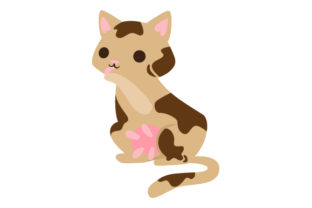
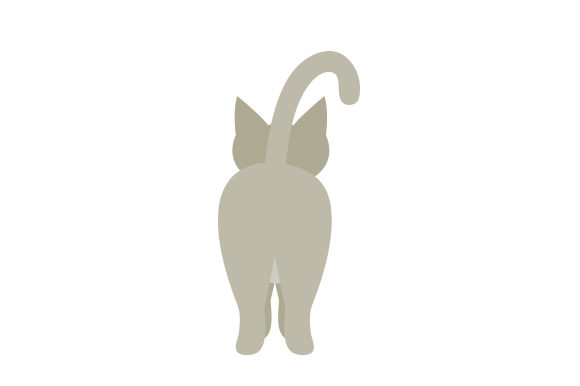
The first thing you notice about Cat Butt is its whimsical nature. It’s not your typical cat design—it focuses on the rear end, which is both unexpected and clever. The shape is simple but well-proportioned, with clear lines and enough detail to make it visually engaging without being overly complex.
The layout is clean, making it suitable for a range of applications. It has a modern, graphic feel that could work well on tote bags, sweatshirts, or even as an embroidered patch. The design’s theme is lighthearted, which makes it ideal for casual or humorous projects rather than something formal or traditional.
Real-World Embroidery Performance
When testing Cat Butt on different fabrics, it performed well on most standard materials. The stitch density is moderate, which means it won’t cause puckering or distortion on most textiles. However, the design might need extra attention when used on thin or stretchy fabrics, where the stitches could pull or distort if not properly stabilized.
For custom apparel like t-shirts or sweatshirts, Cat Butt works well as a standalone design. It’s large enough to be noticeable but not so big that it overwhelms the garment. On a tote bag, it adds a fun touch that can stand out without needing additional elements. For baby items, it’s a safe choice—playful but not too detailed, which helps avoid overcomplicating the design.
Where to Use Cat Butt Carefully
While Cat Butt is versatile, there are some situations where caution is needed. Smaller hoop sizes may struggle with the full size of the design, requiring resizing or splitting the file. Textured fabrics, such as denim or knits, can sometimes make the stitches look less crisp, especially if the design has fine details.
On dark fabrics, the design may not show up as clearly unless the thread color is chosen carefully. For example, using a light-colored thread on a black background could create a subtle effect, but it might not be visible enough for some users. Similarly, on layered garments or curved surfaces like caps, the design may require adjustments to ensure proper placement and visibility.
Design Considerations for Different Projects
- Embroidered Patches: Cat Butt is a good fit for patches, especially when used on jackets or backpacks. The design is compact enough to work well in a small hoop and maintains its clarity when stitched onto fabric.
- Tote Bag Design: As a standalone design, it adds personality to a tote. It works best on medium-weight cotton or canvas, where the stitches will sit nicely without distorting the fabric.
- Sweatshirt Embroidery: The design is eye-catching and fits well on the front or back of a sweatshirt. It’s a great option for casual wear or as part of a themed collection.
- Baby Items: While the design is playful, it’s not overly detailed, which makes it safe for use on baby onesies or blankets. Just be sure to use a stabilizer to prevent puckering.
Impact on Visual Appeal and Customer Perception
Cat Butt has a strong visual presence that can add character to any project. Its simplicity makes it easy to incorporate into larger designs or as a standalone element. When used on handmade products, it can help differentiate a brand or product line, especially for those targeting a more humorous or quirky audience.
For small business owners and Etsy sellers, this design could be a conversation starter. It’s unique enough to catch attention but not so strange that it turns off potential buyers. However, it’s important to consider the target market—this design may not be appropriate for all audiences or product types.
Practical Designer Notes
Before using Cat Butt in a commercial project, test it on scrap fabric to see how the stitches look on your specific machine and fabric type. Check the thread color contrast against the background fabric to ensure visibility. Also, review the stitch density to confirm it’s suitable for your project’s needs.
Make sure the design fits within your hoop size. If it doesn’t, consider resizing or splitting the file. Inspect small details, like the edges of the design, to ensure they’re clean and free of blemishes. Test the design in black and white mockups to see how it looks on different backgrounds.
Use the right stabilizer for the fabric you're working with, especially if it's stretchy or thin. Confirm that the design is suitable for both personal and commercial use, and check the licensing terms before selling finished items or digital products.
Final Thoughts: A Fun and Functional Design
Cat Butt is a unique and fun machine embroidery design that can work well in a variety of projects. Its playful nature makes it ideal for casual, handmade products, and it has the potential to stand out in a crowded market. However, it’s not a one-size-fits-all design, and careful consideration is needed to ensure it looks its best in different applications.
For embroidery designers, crafters, and small business owners, Cat Butt offers a fresh and creative option for adding personality to custom apparel, baby items, or boutique merchandise. Just remember to test it thoroughly and choose the right fabric and thread colors to maximize its impact.