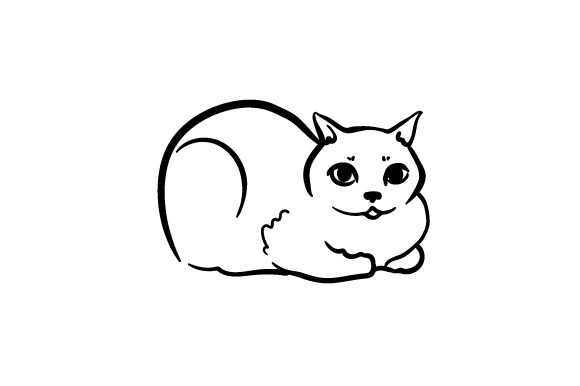
Cat Sitting Embroidery Design
As an embroidery designer and product reviewer, I’ve evaluated countless machine embroidery designs, but few capture the charm and versatility of Cat Sitting. This design is a delightful addition to any craft business or personal project, offering a balance of detail and simplicity that works across multiple mediums. Whether you're creating custom apparel, personalized gifts, or small shop merchandise, Cat Sitting has potential—but it also comes with considerations that every embroiderer should understand before using it in real projects.
The First Impression: A Lively, Playful Mood
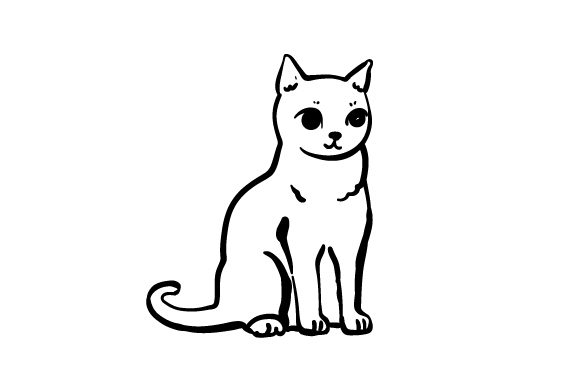
Cat Sitting immediately evokes a sense of whimsy and comfort. The design features a cat seated in a relaxed pose, likely on a chair or cushion, with expressive eyes and a soft, rounded shape. The layout is clean and centered, making it ideal for projects where the focus is on a single, clear image. The level of detail is moderate—enough to be recognizable but not so intricate that it becomes overwhelming. It’s a design that feels at home in both casual and slightly more refined settings, depending on how it’s styled.
The visual personality of Cat Sitting leans toward friendly and approachable, which makes it perfect for baby items, holiday gifts, or even as a subtle accent on a tote bag or apron. It doesn’t scream for attention, but it does invite a second glance—a key trait for any embroidery design meant for commercial use.
Real-World Use Cases: Where Cat Sitting Shines
One of the most practical applications for Cat Sitting is in custom apparel. Whether it's a sweatshirt, t-shirt, or tote bag, the design translates well into a variety of fabric types, especially when paired with appropriate thread colors. For example, using a bright white or pastel thread on a light-colored fabric creates a fresh, modern look, while darker threads can add depth and contrast on lighter backgrounds.
Cat Sitting also works well as an embroidered patch, particularly for jackets, backpacks, or caps. Its centered composition ensures it looks balanced even when placed on curved surfaces. When used on baby clothes, the design adds a touch of warmth and familiarity, making it a great choice for nursery decor or personalized onesies.
For small business owners and Etsy sellers, this design could be a valuable asset in a printable mockup collection or as part of a digital product bundle. It’s versatile enough to be adapted for holiday embroidery, such as Christmas stockings or Easter baskets, and its animal theme fits naturally within the Crafts category.
Where to Be Cautious: Potential Challenges
While Cat Sitting is generally user-friendly, there are a few areas where care is needed. On small hoop sizes, the design might feel cramped, especially if the details are too fine. This could lead to stitching issues or an uneven appearance, so it’s wise to test it on scrap fabric first.
On textured or stretchy fabrics, the design may not sit as smoothly as desired. Thin or dark fabrics can also affect visibility, particularly if the thread color isn’t chosen carefully. For instance, a light-colored thread on a black fabric might appear washed out, reducing the design’s impact.
Additionally, the design’s smaller details—like the cat’s facial features or the background elements—could become lost in dense stitch areas. If you’re planning to use Cat Sitting on layered garments or curved surfaces like caps, make sure the design is compatible with those shapes and that the stabilizer is sufficient to prevent puckering or distortion.
Impact on Visual Appeal and Customer Perception
Cat Sitting has the potential to elevate the visual appeal of any finished product. Its clean lines and simple composition make it easy to integrate into a broader design scheme, whether for a handmade item or a commercial embroidery project. When executed well, it can increase the perceived value of a product, especially when paired with high-quality thread and proper stitching techniques.
From a customer perspective, this design is likely to be well-received, particularly by pet lovers or those looking for a gentle, non-threatening image. It’s also highly giftable, making it a safe choice for personalized gifts or holiday items. However, its success depends on how it’s presented—whether as a standalone piece or as part of a larger collection.
Practical Designer Notes: Tips for Success
Before committing to a full project, always test Cat Sitting on scrap fabric. This helps identify any issues with stitch density, thread color contrast, or stabilizer requirements. Pay close attention to the design’s small details—especially in corners or around the cat’s face—to ensure they remain visible after stitching.
Consider how the design will look in black and white mockups, as this can help determine its adaptability for different fabric backgrounds. Also, review the embroidery file for compatibility with your machine and confirm that the hoop size required is suitable for your equipment.
If you’re planning to sell finished products or digital files, check the licensing terms to ensure you’re allowed to do so. And don’t forget to use the right stabilizer for your fabric type—this can make a big difference in the final outcome, especially on delicate or stretchy materials.
Final Thoughts: A Versatile Design with Thoughtful Applications
Cat Sitting is a design that offers a good balance of style and usability. It’s not overly complex, which makes it accessible for beginners, but it still has enough character to stand out in more advanced projects. Whether you're working on a custom tote bag, a baby onesie, or a small shop product, this design can be a valuable addition to your embroidery library.
With careful consideration of fabric type, thread color, and stitch density, Cat Sitting can deliver a professional, polished result that resonates with customers. As with any embroidery file, the key to success lies in understanding its strengths and limitations—and knowing how to best apply them in real-world scenarios.